This Superintendent Couldn’t Read as a Kid. Now He Wants to Ensure Every Kid Can
Jessika Harkay | August 26, 2026
Your donation will help us produce journalism like this. Please give today.
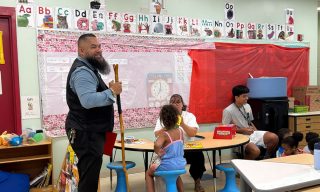
In late July, soon-to-be kindergarteners spent the morning getting their wiggles out at a summer learning program at Robert Bailey Elementary School in Providence.
At first, they shyly raised their hands or whispered “that’s me” when their teacher sang an attendance song, but then they jumped up and spent the next hour stretching, dancing and singing to calm their 8 a.m. energy.
Providence Public Schools Superintendent Javier Montañez watched from the back of the classroom before he made his way to the colorful carpet full of a dozen 5-year-olds. There, he did windmills with his arms and gave high fives.
Shortly after, it was time for the big task of the morning — sounding out letters and finding words that began with that letter. Montañez echoed the sound of the letter ‘H’, before giving the word “happy” as an example and following it with a pair of jazz hands. He laughed as they continued their lesson.
“It’s important to remember what it’s like to be a kid,” he said.
It’s a mentality that resonates deeply with the superintendent who five years ago was tasked to lead the school district he once attended — a district that had once let him down.
Providence Public Schools, the largest district in Rhode Island, educates more than 19,400 students, with more than 80% Black or brown; and who qualify for free or reduced lunch. More than a third of students are English language learners.
There’s many parts of Montañez’s story that mirror a typical student in the district, including coming from a low-income Latino background.
But there’s other parts of his story he doesn’t ever want to see reflected in his students, like being “that kid out of sight, out of mind, in the back of the classroom trying to make myself smaller than what I was,” Montañez said.
The superintendent remembers what it was like to once be a kid who always felt “dumb,” with neither he nor his teachers having the resources to help. He remembers once being a kid who entered high school homeless, often sleeping under a tree at a local park or in unlocked cars. He also remembers once being a kid who was unable to read until his junior year — a kid who fell through the cracks with undiagnosed dyslexia.
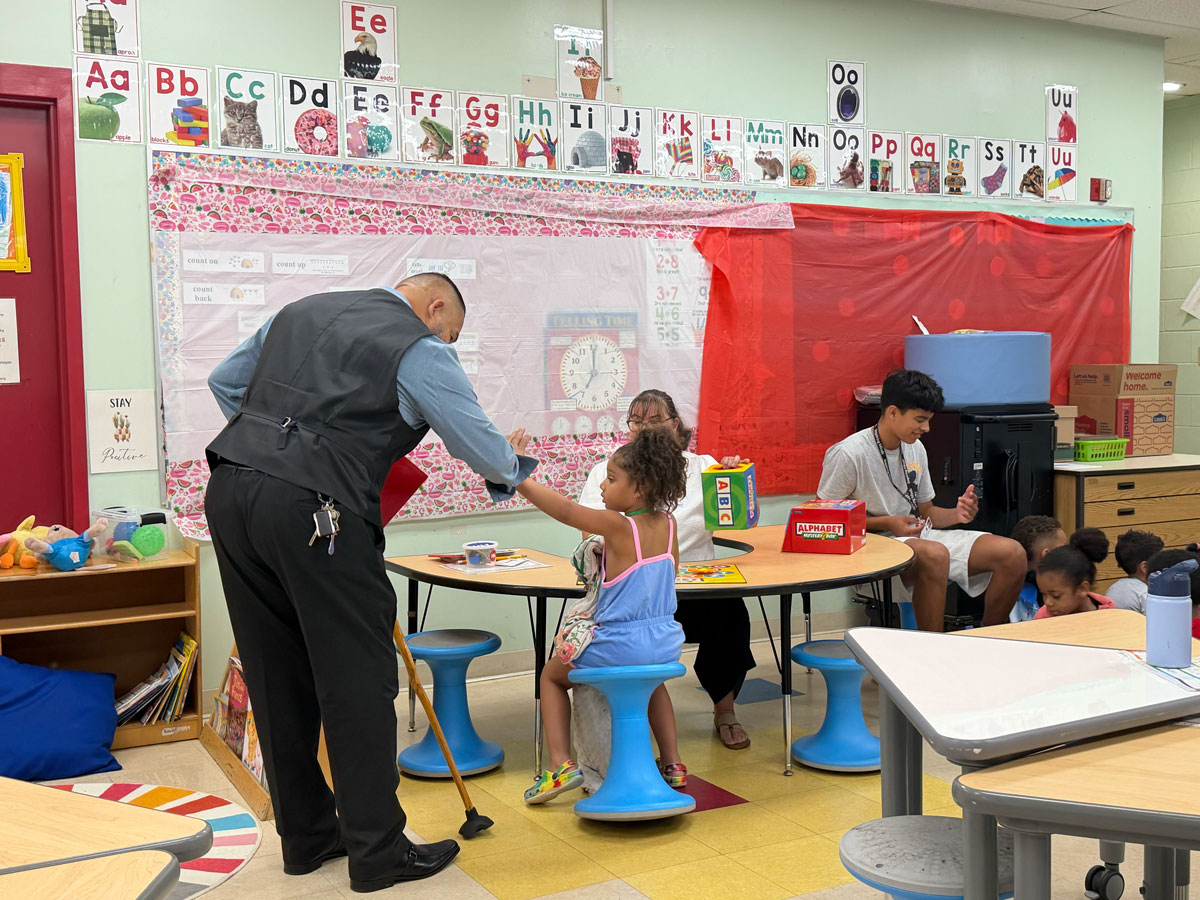
In addition to being educated in the district, Montañez has also spent more than 30 years as an educator in the Providence public school system; first as a second and third grade bilingual teacher, before advancing through vice principal and principal roles to interim and permanent superintendent in 2021 and 2022.
His experiences have molded and become the center of his vow to make Providence “the destination of education.”
“[When I became an educator], I saw myself again in those seats suffering. [I had to ask myself] ‘What can I do to help any of those kids that are all little Javiers that no one really saw because … they were only looking at students who were highly achieving?’” Montañez said, adding that curricula and expectations were usually watered down for kids who were struggling.
“One of the things I grabbed from the past and put into the future is: How do we help all those students who are suffering, but not forget about those students who are on the cuff of meeting expectations and those students who are exceeding?” Montañez said. “That happens through high-quality curriculum, all day, every day, in the classroom.”
In 2019, the Rhode Island education department took control of Providence Public Schools after a John Hopkins report found the district’s schools were “in crisis,” particularly citing issues with struggling leadership, a “broken” school culture and “an exceptionally low level of academic instruction, including a lack of quality curriculum and alignment both within schools and across the district.”
When Montañez was promoted to superintendent from principal at a district elementary school in 2021, he was praised by education officials and Rhode Island Governor Dan McKee for being a local leader who “knows exactly what our schools need.” More recently, Montañez was credited by Providence Mayor Brett Smiley for his work building trust with staff.
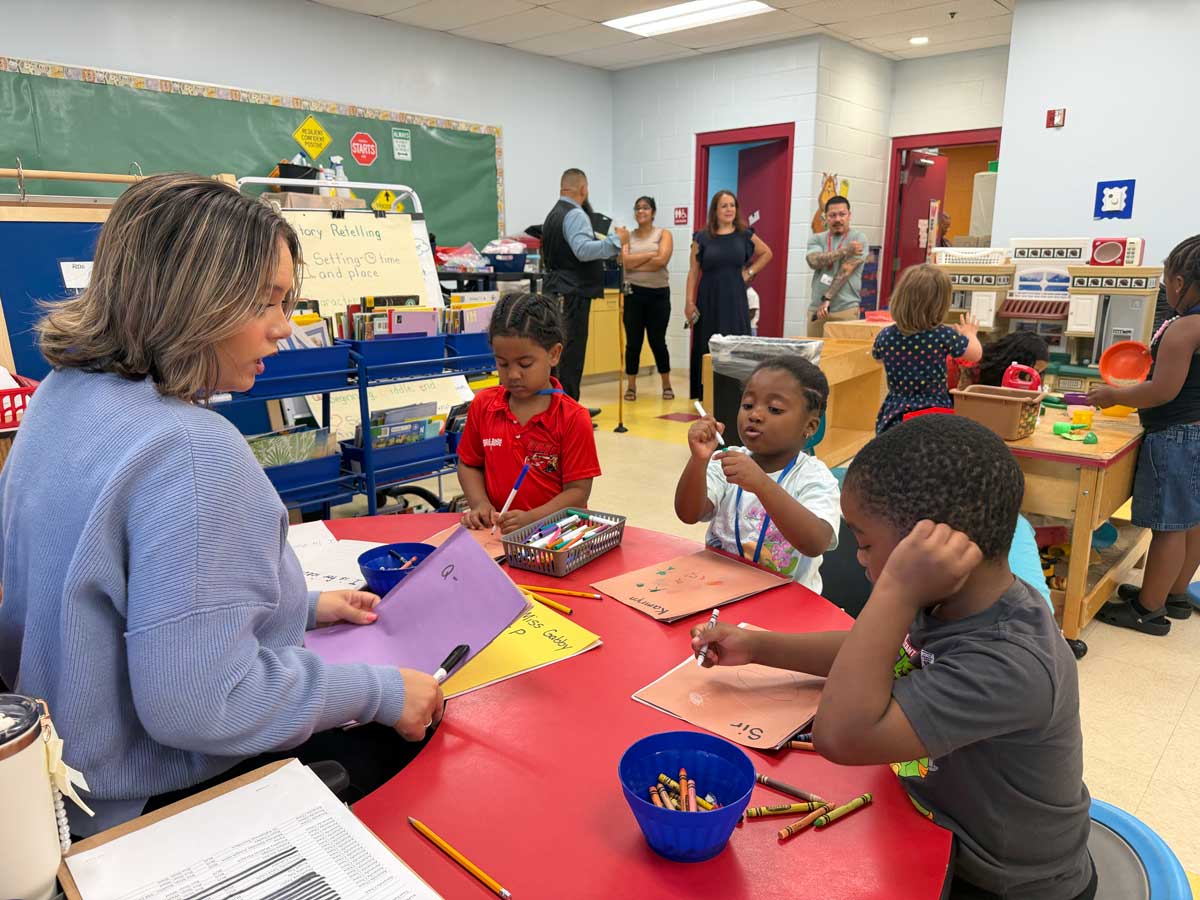
With state aid, and under Montañez’s leadership, Providence Public Schools has overhauled its approach to literacy instruction through a five-year turnaround plan. In that time, education leaders have established and rolled out its Instructional Coherence Model — a shift to align all its schools using the same reading curriculum, instruction, professional learning, assessment, coaching and intervention.
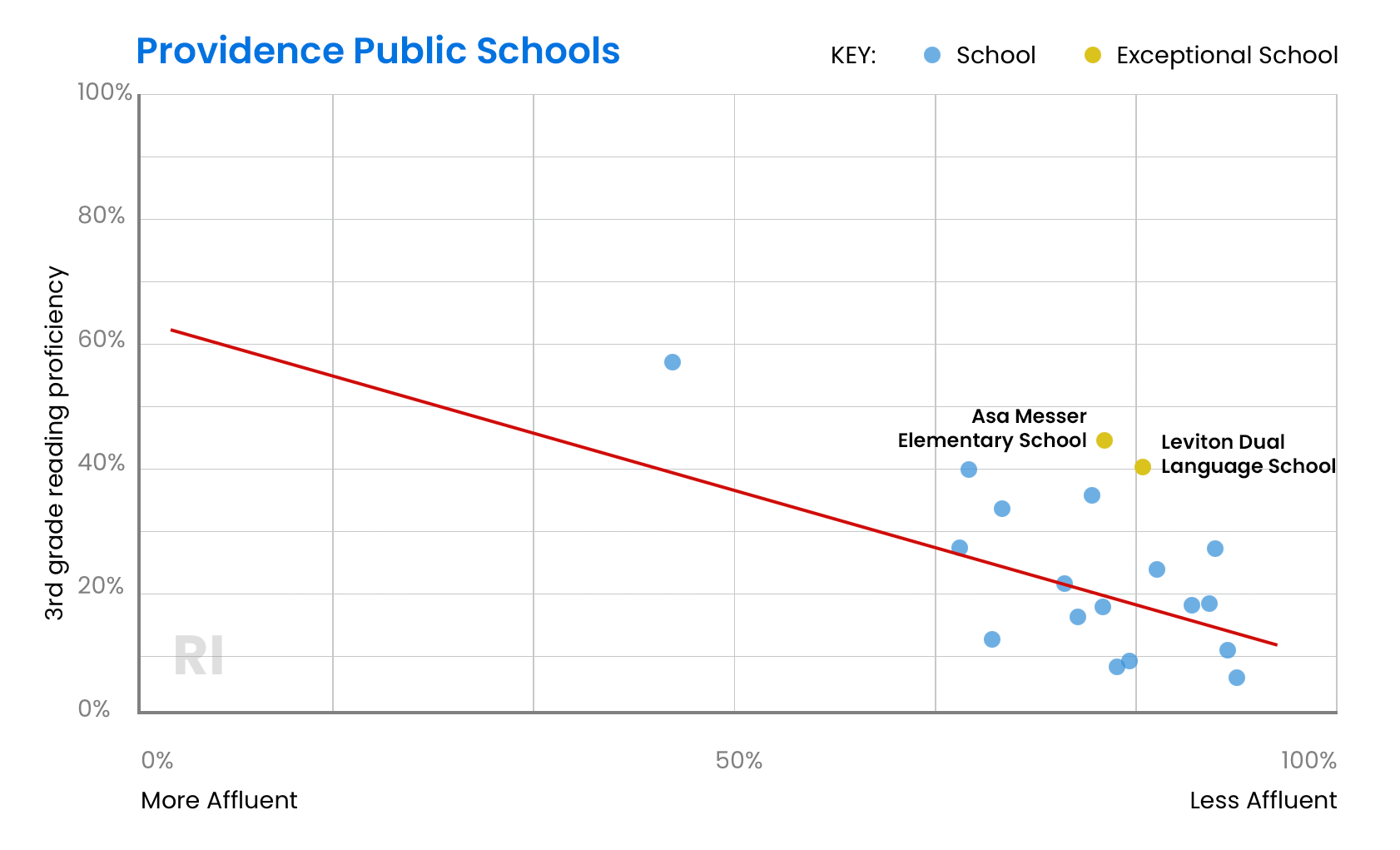
The district has begun to see the approach pay off, with two of its elementary schools identified by The 74 as Bright Spots, beating the odds of expected literacy rates based on poverty levels.
Of Rhode Island’s top five exceptional schools, Asa Messer Elementary School and Leviton Dual Language School are in the Providence school district. The two schools were expected to only have between 17 to 19% of third graders reading on grade level based on its poverty rates that are upward of 80%. Instead, both schools are between 41 to 45% proficient.
An additional 10 schools have literacy rates higher than expected.
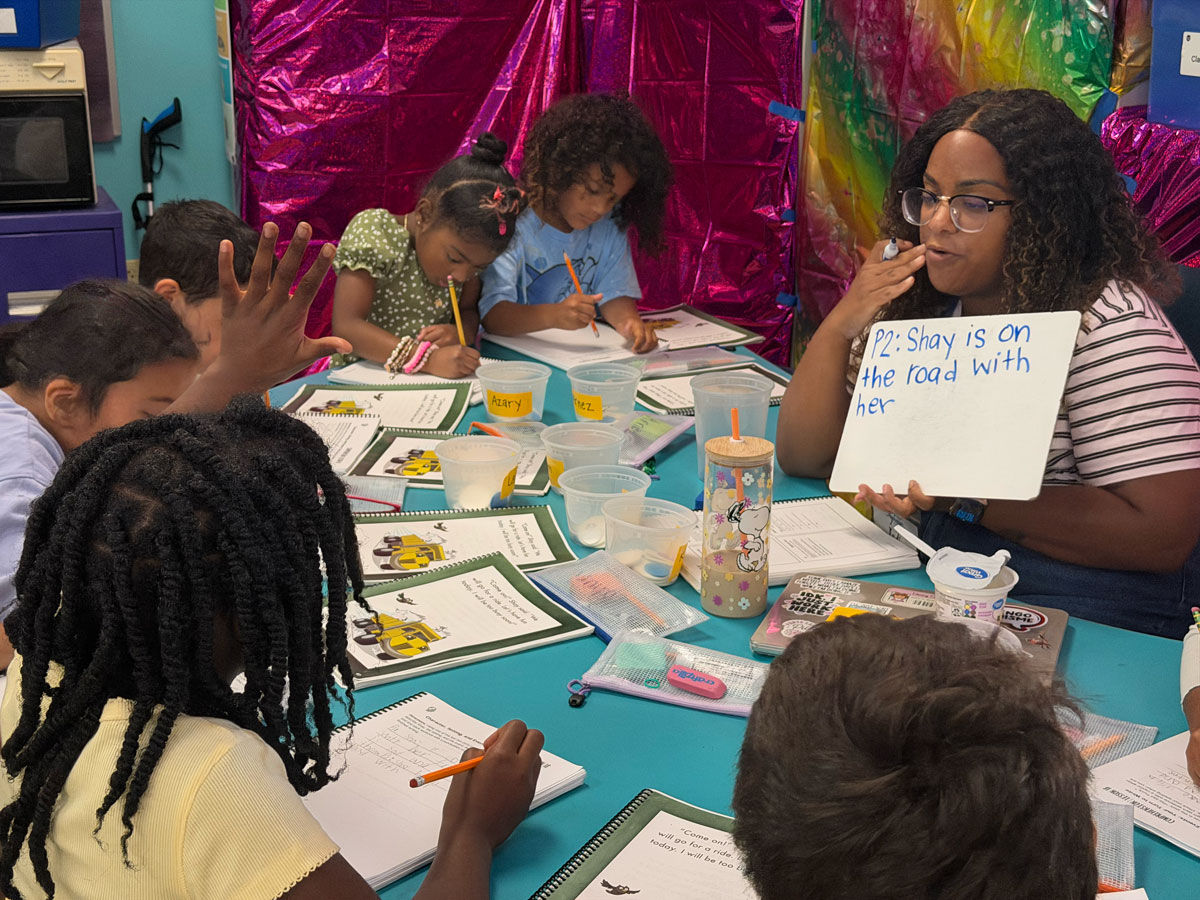
Montañez led the work at Leviton Dual Language for 10 years as principal before becoming superintendent. For the district, the improvement has just begun, Montañez and his team said, hopeful that stronger gains are on the horizon.
“We’re in the early stages. Any major change takes a solid three to five years to really realize,” said Paula Dillon, deputy superintendent of academics. “Our early data points are suggesting we’re moving in the right direction. … To move a district this large in the same direction, [it’s critical to have] consistency, … and in order to have consistency and coherence, [it begins] with leadership.”
A student who didn’t think he could
One of Montañez’s earliest school-related memories is being asked in second grade to read a passage aloud. He remembers looking at the pictures on the page and beginning to make up his own story and the sound of his teacher and classmates laughing.
“From that very moment, an invisible filter went up and I told myself ‘I will never read out loud again,’” Montañez said.
Any time there were group reading activities, he made sure to have an excuse to leave the classroom.
“I don’t think I ever really got the foundation that I needed,” Montañez said. “I don’t think they knew or could recognize dyslexia the way it’s recognized now. For far too long it was … ‘You’re stupid.’ ‘You’re dumb.’ ‘You’re not trying hard enough.’ … At one point, I began believing that was true. I was dumb and I couldn’t learn.”
As each year passed, he made sure to sit in the back of the classroom and do his best to “fly below the radar.”
“For breakfast, I had an A. For gym, I had an A. Lunch, I had an A and everything else was Cs and Ds,” Montañez said, making a joke that his report card spoke Spanish because it was full of “C, C, C,” like the Spanish word for yes.
From some of his earliest years, Montañez lacked stability at home. Neither of his parents had graduated from high school and didn’t view education as a priority. As early as 9 years old, Montañez was being shuffled between the homes of extended family members because of a volatile living situation with his parents.
And by the time he entered high school, he was homeless.
For years, he would often sleep at a nearby Providence park under a tree or find unlocked cars. Sometimes, depending on the weather, he would hide in the school’s locker room, and when everyone left, would come out to wash his clothing and have a safe place to sleep.
“I was thinking survival,” Montañez said, adding that he was often viewed as the kid in the back of the classroom falling asleep and a student who didn’t care.
“It wasn’t that,” Montañez said. “It was the only place I felt a little safe where I could take a nap in the back room. … [So,] when I hear now that a kid doesn’t want to give it their all, [I ask] have you checked to see if that kid ate last night? … Have you checked to see if that kid is safe at night?”
For Montañez, it took until his junior year for a teacher to ask those questions.
Montañez was a stagehand that year. And when his drama teacher asked him to fill in and read some lines after a lead actor broke his leg, the teenager “lost it. I flipped tables. I cursed him out,” Montañez said.
When the teacher approached him a few days later, Montañez explained he felt disrespected in front of everyone, that the teacher knew “better than anyone else that I don’t know how to read and still gave me a script.”
The teacher didn’t know, but once he learned Montañez couldn’t read and had instead been learning by listening and repetition, he intervened with a plan. Every morning and evening they would stay at the school. They worked on identifying letters and decoding, starting with Curious George and comic books.
“He gave me the wraparound services that I needed. He gave me high dosage tutoring. He showed me how to decode words. He started teaching me how to read a sentence, how to write a sentence,” Montañez said.
Later in the year, there was a late night field trip. The same teacher saw Montañez retreat to Roger Williams Park and hide underneath a tree, where he learned the teenager was homeless.
The teacher told Montañez to come by his classroom the next morning, but the teenager feared he’d be reported and get in trouble.
“I never went back to the school after that day,” Montañez said. He dropped out.
What if…
Montañez only began to consider going back to school when he learned he was going to be a father at 18 and couldn’t enlist in the military without a GED.
Since then, one question has led his life and decision making: What if?
When he successfully passed his exam for a GED, the question became what if he could, against all odds, be successful in pursuing higher education? He did — attending Boricua College in New York and receiving his GED, associates and bachelors degree in less than three and a half years.
What if he found a way to translate this learning back to kids like him and prevent his experience for other students? He has — beginning his work as an elementary substitute teacher in New York before transitioning to a full-time teacher in Providence and working his way up the district.
And what if he could raise the standard, instead of lowering it, in a district that educates a majority of low-income children? He’s in the process of making it happen.
“If it wasn’t for me going through those tribulations in my younger years, I wouldn’t be as effective as an educator today and have the hindsight to say, … ‘It’s our job to find [what a student is struggling with] and give them the wraparound services they need,’” Montañez said. “Everything that I do is based on student impact, student outcome and how it’s going to support students. Being a student here, and then being a teacher and working my way up to this position, helped me understand the community. It’s helped me understand the students. … The ‘what if’ keeps pushing us.”
The work first began with Montañez and other state and district education leaders aligning reading instruction, intervention and data tracking.
For years, individual school buildings were allowed to choose their own curriculum, but have now all implemented the same program and supplemental learning materials across the entire district that are rooted in the science of reading.
Other district initiatives that have taken place under Montañez include required districtwide training on phonics, a strengthened universal screening to identify struggling students, including those with dyslexia, and adopting new systems for stronger and more cohesive data collection.
Among recent changes are also regular walk-throughs by school and district leadership. Central office personnel are required to do quarterly walk-throughs of schools as principals are responsible for visiting at least 80% of their buildings’ classrooms each month.
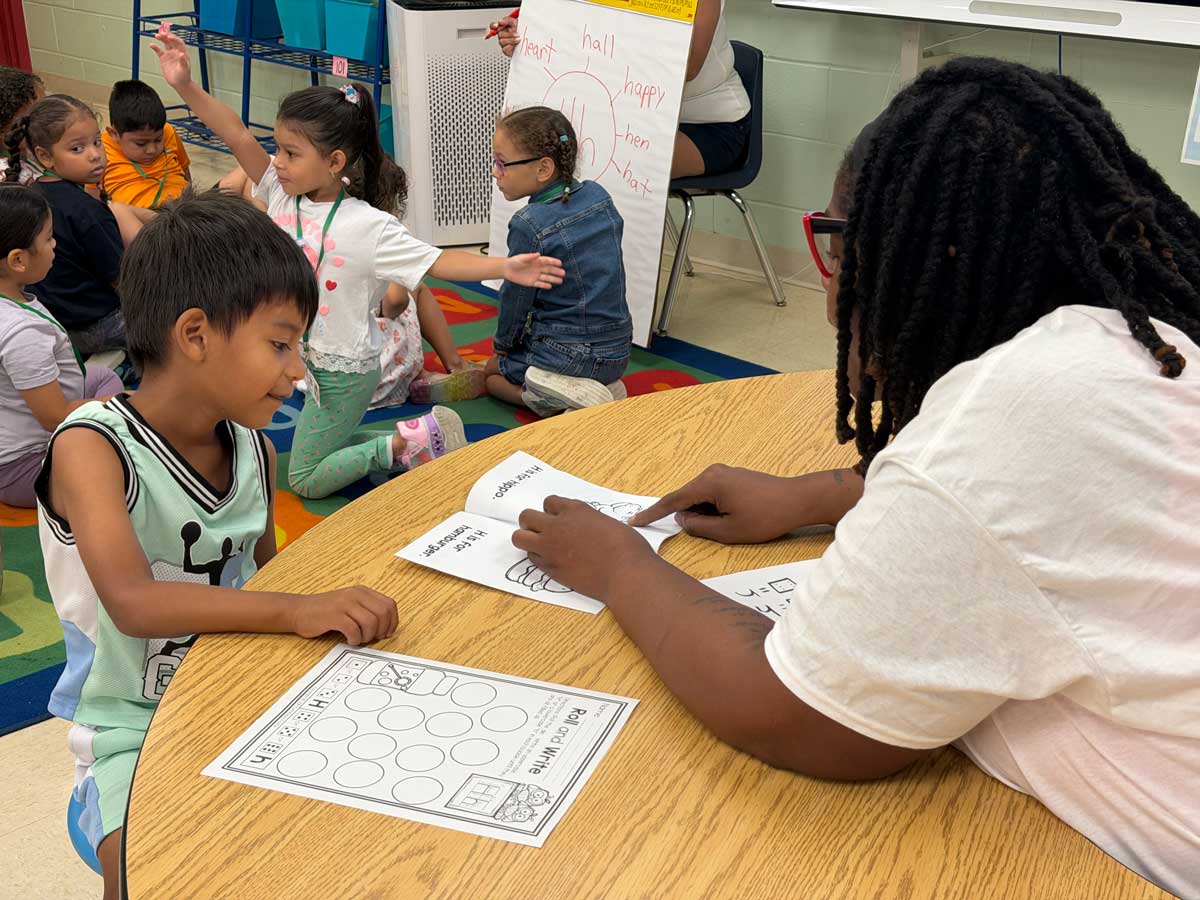
The walk-throughs are paired with feedback that’s provided to educators within 24 hours. New role-aligned professional development for all educators also furthers cohesive and effective implementation of new curriculum and intervention.
“Using the Instructional Coherence Model to build our walk-through model and being able to give feedback and calibrate with the building leaders about what they’re seeing, what we’re seeing — if it’s the same and where we’re seeing trends — has been a game changer,” Dillon said.
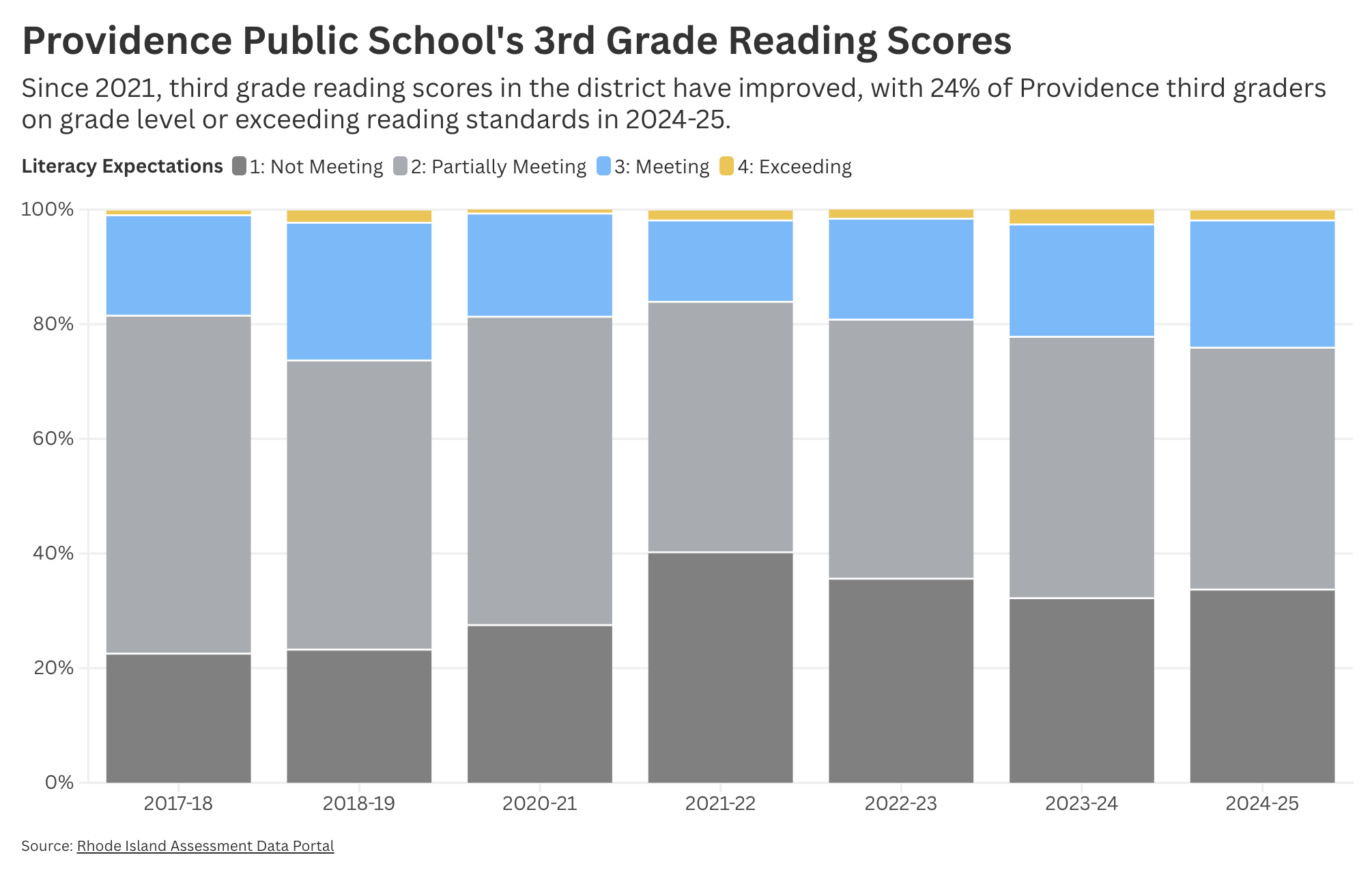
Getting all students to achieve in the classroom also extends outside of school.
The development of the Office of Family and Community Engagement has offered a “family university” where parents can learn strategies to work with students and better support their learning. The office also offers translation services and resources for food, transportation and navigating a transition to a new district, state or country.
“It takes a village to do this. It’s hard work day in and day out to make sure students have what they need to be prepared and successful in life,” Montañez said. “We need [families] to be part of the school and part of the decision making because we can do it better [together].”
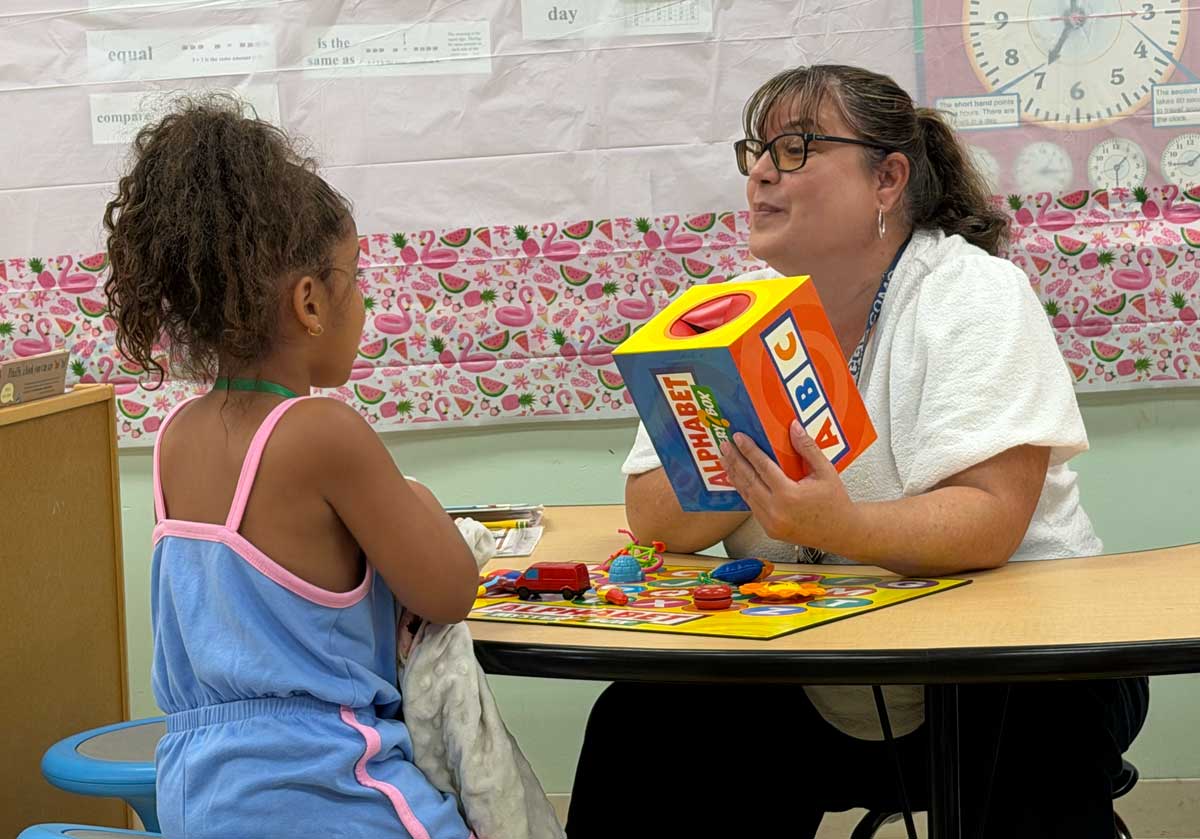
Third grade proficiency rates in Providence have increased year over year since 2021 and the district’s third graders have almost returned to pre-pandemic reading levels with 24% on grade level as of 2024-25, according to state data.
But despite seeing forward movement, there’s a lot of work left to be done.
With third grade students at Leviton Dual Language and Asa Masser nearly twice as proficient in reading compared to the district average, much of the success in those buildings were credited by Montañez and Dillion to efforts like intensive high dosage tutoring, bilingual education programs and stable leadership. They hope to learn from those buildings and continue expansion across the district.
“We’re in a continuous improvement cycle,” Dillon said. “The only way that we can continue to improve is to know where we are and what’s working and what’s not and being willing to change that.”
As of July, the state has returned the Providence school system back to local control, about a year and a half earlier than expected. Montañez’s contract is up for renewal in 2027.
For now though, it’s about taking the small wins and pushing forward as a team.
“It took one teacher to change my life,” Montañez said. “That teacher didn’t take pity on me; that teacher had high expectations. … We need to set those expectations for our students [and] for ourselves as educators.”
This article was published in partnership with The 74. Sign up for The 74’s newsletter here.